
The appendix is a small, pouch-like organ located in the lower right abdomen. While its exact physiological purpose is still debated, its tendency to become inflamed—a condition known as appendicitis—is well-documented. Appendectomy, the surgical removal of the appendix, is one of the most common emergency procedures performed worldwide. While generally considered safe and routine, like any surgical intervention, it carries a risk of complications.
Among the various post-operative issues, such as infection or bowel obstruction, the development of a hernia is a significant concern that patients must understand. Recognizing the signs of a post-op hernia early can prevent further complications and ensure a smoother recovery.
Understanding Post-Appendectomy Incisional Hernias
A hernia occurs when an internal organ or fatty tissue pushes through a weak spot in the surrounding muscle or connective tissue. When this happens at the site of a previous surgical incision, it is specifically referred to as an incisional hernia. Following an appendectomy, the abdominal wall is weakened where the surgeon made the entry point, whether through a traditional open incision or smaller laparoscopic ports.
Incisional hernias are more common than many realize. They can develop months or even years after the initial surgery. The risk is often higher if the patient experienced a wound infection after the appendectomy, as infection further weakens the healing tissues. For those seeking specialized care for abdominal wall repairs, consulting an expert general surgery doctor in aligarh is a vital step in ensuring the hernia is addressed with modern surgical techniques.
Why Do Hernias Occur After Appendectomy?
Several factors contribute to the formation of a hernia after the appendix is removed. The primary cause is the failure of the abdominal fascia—the tough layer of connective tissue—to heal completely. If the pressure inside the abdomen exceeds the strength of the healing scar tissue, the wall can give way.
Common risk factors include:
Chronic Coughing or Straining: Persistent pressure from respiratory issues or constipation can stress the incision site.
Physical Overexertion: Lifting heavy objects too soon after surgery is a leading cause of mechanical failure at the wound site.
Obesity: Excess body weight puts constant tension on abdominal incisions.
Poor Nutrition: A lack of essential nutrients can slow the body’s ability to produce collagen, which is necessary for a strong scar.
Institutions like Joint Replacement India emphasize that patient education regarding post-operative activity levels is essential for preventing these structural failures.
Identifying the Symptoms of a Post-Op Hernia
Identifying a hernia requires a mix of self-monitoring and professional evaluation. The most common sign is a visible bulge or lump near the appendectomy scar. This bulge may become more prominent when you cough, stand up, or strain during a bowel movement. It often flattens or disappears when you lie down.
Aside from a visible lump, patients may experience:
Localized Pain or Discomfort: A dull ache or sharp pain at the incision site, especially during physical activity.
A Feeling of Heaviness: A sensation of pressure in the abdomen that wasn't there before.
Digestive Issues: In some cases, a hernia can lead to nausea or constipation if a loop of the intestine becomes trapped.
For families in the region looking for comprehensive healthcare, finding a facility that offers multidisciplinary support is key. For instance, the best maternity hospital in aligarh often provides a range of surgical and diagnostic services that can help identify complications in patients across various life stages.
Complications of Untreated Hernias
While a hernia might seem like a minor bulge, leaving it untreated can lead to serious medical emergencies. The most dangerous complication is "incarceration," where the protruding tissue becomes trapped outside the abdominal wall and cannot be pushed back in.
If the blood supply to the trapped tissue is cut off, it leads to "strangulation." A strangulated hernia is a life-threatening emergency that requires immediate surgery. Symptoms include severe pain, redness over the bulge, fever, and vomiting. To avoid these risks, Joint Replacement India encourages patients to seek a surgical consultation at the first sign of an abnormal protrusion at a previous incision site.
Prevention and Long-Term Recovery
Preventing a hernia starts the moment the appendectomy is completed. Following the surgeon’s "lifting restrictions" is perhaps the most critical rule. Most surgeons advise avoiding heavy lifting (usually anything over 10 pounds) for at least six weeks post-surgery.
Supporting the abdomen when coughing or sneezing by holding a pillow against the incision—a technique called splinting—can also reduce sudden bursts of intra-abdominal pressure. Additionally, maintaining a healthy weight and ensuring adequate protein intake will support the integrity of the abdominal wall during the long-term healing process.
Treatment Options for Post-Op Hernias
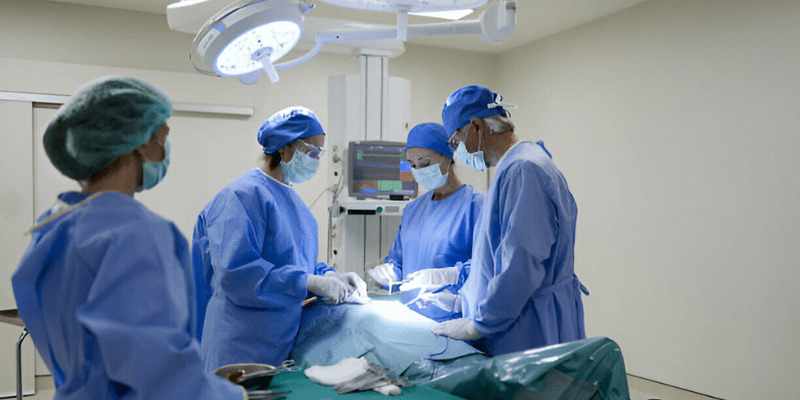
Once an incisional hernia has formed, it will not heal on its own. Surgery is the only definitive treatment. Modern hernia repair often involves the use of a synthetic mesh. This mesh acts as a "scaffold," reinforcing the weakened area and significantly reducing the likelihood of the hernia recurring.
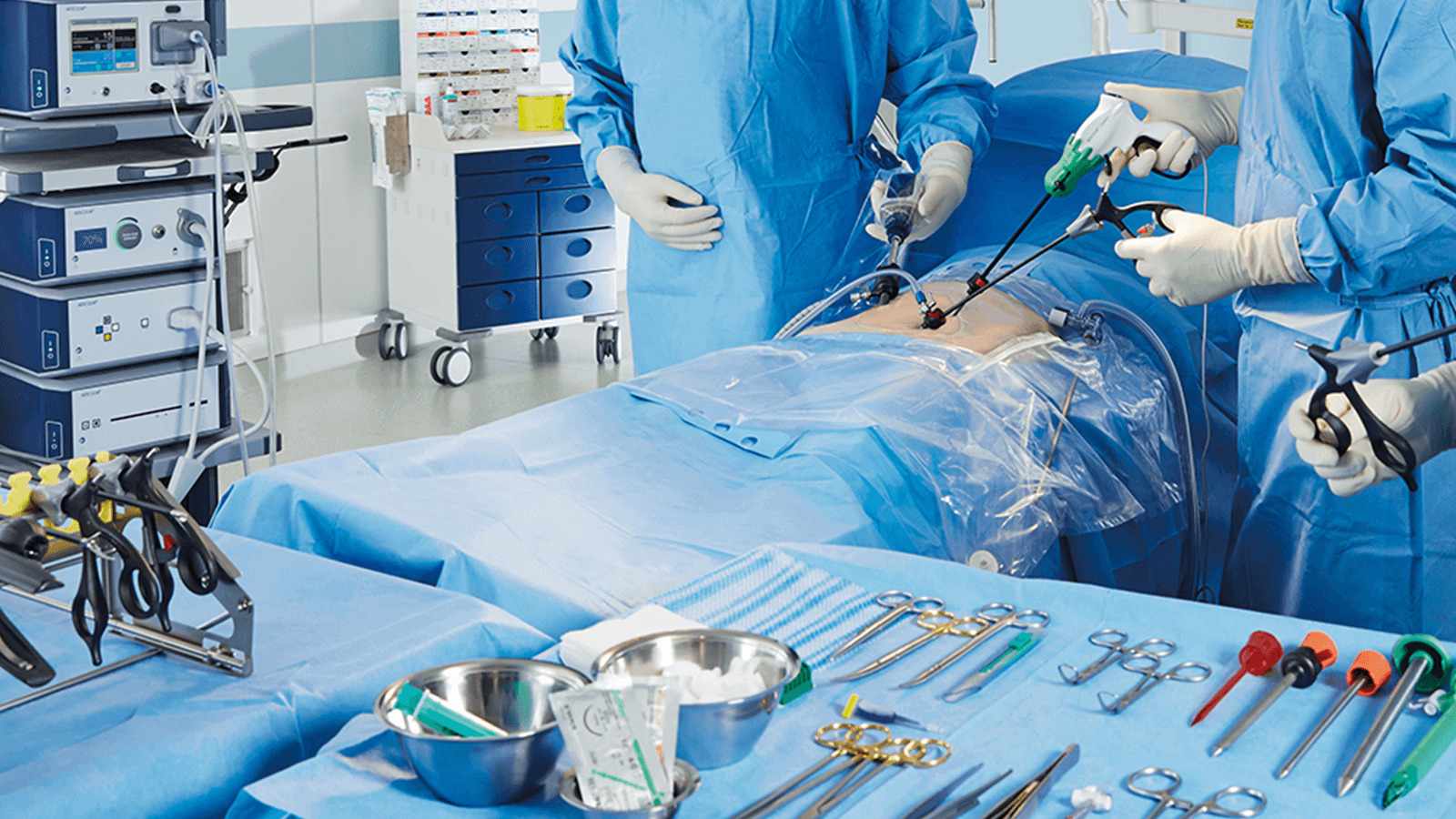
Surgeons may choose between a traditional open repair or a laparoscopic approach. Laparoscopic repair is often preferred because it involves smaller incisions, which typically results in less post-operative pain and a faster return to daily activities. Discussing these options with a qualified surgical team ensures that the repair is tailored to the patient’s specific anatomy and lifestyle needs.




Write a comment ...