Recovering from surgery is a journey that requires time, attention, and thoughtful care. Whether you’ve undergone a minor procedure or a major operation, your post-surgery habits play a critical role in determining how smoothly and safely you heal. Following your surgeon’s guidance is essential, and when working with experienced specialists—such as the top general surgeons in aligarh—patients often benefit from more efficient and effective recovery plans. Below are key strategies to support steady healing and rebuild strength with confidence.
Follow Your Surgeon’s Instructions Closely
Every surgery is unique, and so are the instructions that come with it. Your surgeon may provide guidance on wound care, medications, physical limits, and dietary changes. Adhering to these instructions is the most important step you can take to avoid complications such as infection, reopening of incisions, or delayed healing. Keep follow-up appointments, even if you feel well—your doctor can detect early signs of trouble that you might overlook.
If you have undergone a procedure at a reputed center like renuka hospital aligarh, following the team’s guidance will ensure you maintain the same standard of care at home that you experienced during your stay.
Support Healing With Proper Nutrition
Your body needs fuel to repair tissue, fight infection, and restore energy. A balanced post-surgery diet should include:
Lean proteins such as fish, lentils, eggs, and chicken to rebuild tissue.
Fruits and vegetables to supply vitamins, antioxidants, and fiber.
Whole grains for sustained energy and digestive support.
Healthy fats like nuts, seeds, and olive oil to reduce inflammation.
Staying hydrated is equally important. Water helps maintain circulation, prevent constipation, and transport nutrients throughout the body. Avoid alcohol, excessive caffeine, and foods high in sugar or saturated fats, as they may slow your progress.
Protect and Monitor Your Surgical Wound
Proper wound care prevents infection and promotes rapid healing. Keep the incision clean and dry, and change dressings as instructed. Watch for warning signs such as swelling, redness, oozing, or a rise in temperature around the wound. These may indicate infection and require immediate medical attention.
Avoid scrubbing the incision area during showers, and do not apply lotions or powders unless your doctor approves. Resist the urge to touch or scratch the site, even if it becomes itchy—a common sign of healing.
Manage Pain Responsibly
Pain control is a key aspect of recovery. While some discomfort is expected, lingering or severe pain can hinder movement and sleep. Your doctor may prescribe pain medication, advise over-the-counter options, or recommend non-drug methods such as cold compresses and relaxation techniques.
Take medications exactly as directed. Avoid doubling doses, mixing medications without guidance, or stopping suddenly. Controlled, well-managed pain helps you move comfortably and participate more effectively in rehabilitation.
Ease Back Into Movement and Physical Activity
Movement improves blood circulation, prevents stiffness, and reduces the risk of blood clots. Unless your surgeon tells you otherwise, gentle activity such as slow walking can begin soon after surgery.
As you progress, follow these principles:
Start slow and increase gradually.
Avoid lifting, bending, or twisting until cleared.
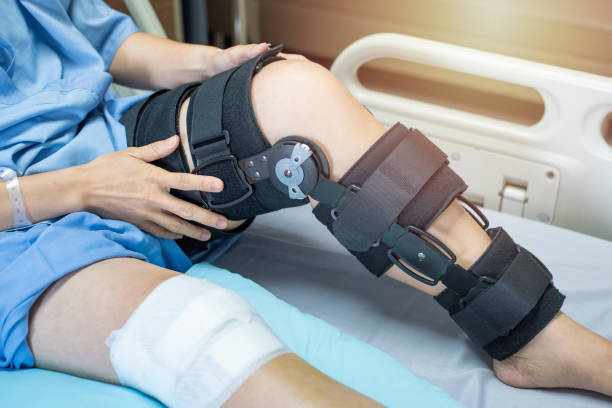
Use support devices like slings, braces, or walkers if recommended.
Listen to your body. Pain, dizziness, or shortness of breath are signs to slow down.
If physiotherapy is part of your recovery plan, attend all sessions and practice your exercises at home. They help rebuild strength, flexibility, and balance.
Prioritize Sleep and Mental Restoration
Healing doesn't happen only during active care—it also occurs during deep rest. Quality sleep supports immune function, reduces inflammation, and restores energy. After surgery, aim for regular sleep patterns, avoid screens before bedtime, and keep your environment calm and comfortable.
The emotional side of recovery matters too. Anxiety, frustration, and mood swings are common after surgery. Breathing exercises, meditation, reading, and light hobbies can help you stay positive and relaxed. Social support from friends, family, or support groups adds comfort and encouragement during difficult moments.
Prevent Infections Through Good Hygiene Practices
Along with caring for your surgical site, general hygiene habits reduce the risk of infection. Wash your hands frequently, especially before touching dressings or taking medications. Keep your living space clean, particularly areas where you rest or store medical supplies.
Avoid crowded places during the early recovery phase and limit contact with individuals who are sick. Your immune system may be more vulnerable during this time.
Understand When to Seek Medical Help
While most symptoms improve with time, some require urgent attention. Call your doctor immediately if you experience:
Persistent fever
Increased redness, warmth, or swelling near the incision
Heavy bleeding or discharge
Severe pain unrelieved by medication
Shortness of breath
Sudden weakness or numbness
Timely response prevents minor issues from turning serious.
Stay Patient and Committed to the Process
Recovery is not linear. Some days you will feel strong and comfortable; others may bring fatigue or discomfort. Consistency, patience, and adherence to medical advice are the building blocks of a full and safe recovery.
Whether you're healing from a routine procedure or a major operation like a joint replacement india, the right approach helps you regain your health with confidence. By nurturing your body, monitoring your progress, and staying connected with your healthcare team, you can ensure a steady, successful recovery journey.





Write a comment ...