
Modern medicine is divided into many specialties so patients can receive focused and effective care. Two commonly consulted specialists are orthopedic doctors and gynecologists. While both play vital roles in healthcare, their areas of medical focus, patient groups, and treatment approaches are very different. Understanding these differences helps patients make informed decisions when seeking care. This article explains how orthopedic doctors and gynecologists differ, what conditions they treat, and when you should consult each specialist.
Orthopedic Doctors: Focus on the Musculoskeletal System
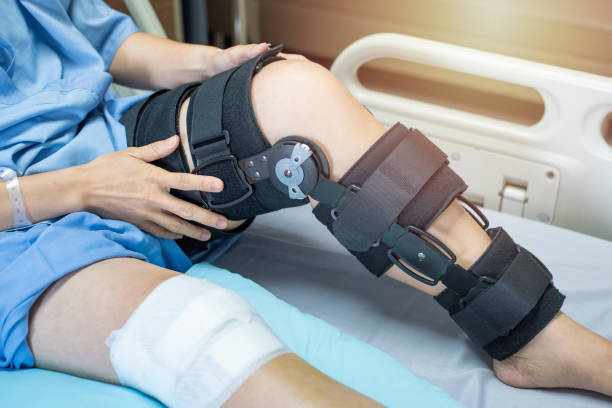
Orthopedic doctors specialize in the diagnosis and treatment of problems related to the musculoskeletal system. This system includes bones, joints, muscles, ligaments, tendons, and nerves. Their primary goal is to help patients regain mobility, reduce pain, and improve physical function.
Orthopedic care ranges from treating simple injuries like sprains and fractures to managing complex conditions such as arthritis, spinal disorders, and joint degeneration. Many orthopedic doctors also focus on sports injuries, trauma care, and age-related wear and tear of joints.
Patients experiencing persistent joint pain, difficulty walking, limited range of motion, or injuries from accidents often seek an orthopedic specialist. Those looking for advanced joint care may consult the best orthopedic doctor in aligarh for expert evaluation and treatment options.
Gynecologists: Focus on Women’s Reproductive Health
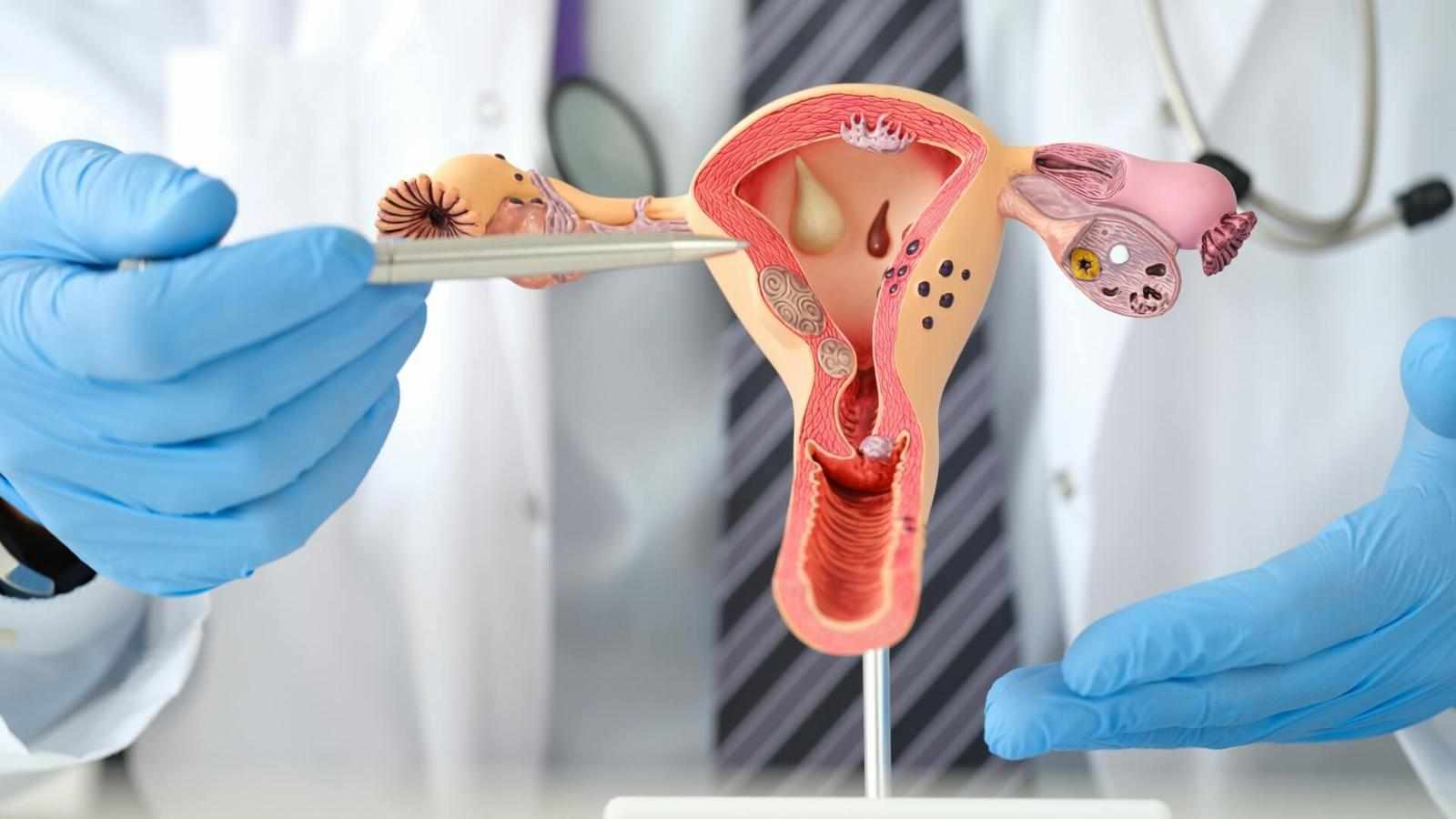
Gynecologists specialize in women’s reproductive and hormonal health. Their medical focus includes the uterus, ovaries, fallopian tubes, cervix, and breasts, as well as menstrual health and fertility. Gynecologists also play a key role in preventive care, including routine screenings and health education.
From adolescence through menopause and beyond, gynecologists support women through different life stages. They diagnose and manage conditions such as menstrual disorders, pelvic pain, hormonal imbalances, and reproductive system infections. Many gynecologists also provide obstetric care, supporting women during pregnancy, childbirth, and postpartum recovery.
Women seeking comprehensive reproductive health services may look for the best gynecologist doctor in aligarh to ensure expert and compassionate care.
Conditions Commonly Treated by Each Specialist
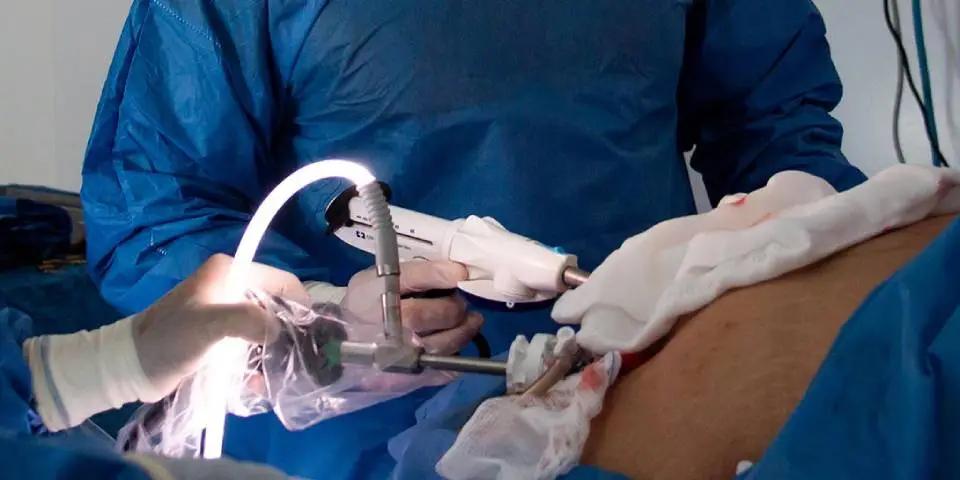
Orthopedic doctors commonly treat fractures, dislocations, osteoarthritis, osteoporosis, ligament tears, spinal disc problems, and joint deformities. Surgical procedures such as knee replacement, hip replacement, and spine surgery often fall under orthopedic care.
Gynecologists treat conditions like polycystic ovary syndrome, endometriosis, fibroids, irregular periods, infertility issues, and menopause-related symptoms. They also manage pregnancy-related concerns and provide guidance on contraception and family planning.
The key difference lies in the body systems involved: orthopedics focuses on movement and structure, while gynecology focuses on reproductive and hormonal health.
Diagnostic Tools and Treatment Approaches
Orthopedic specialists rely heavily on imaging techniques such as X-rays, MRI scans, CT scans, and ultrasound to assess bones and joints. Treatment may include medications, physical therapy, lifestyle modifications, injections, or surgery, depending on the severity of the condition.
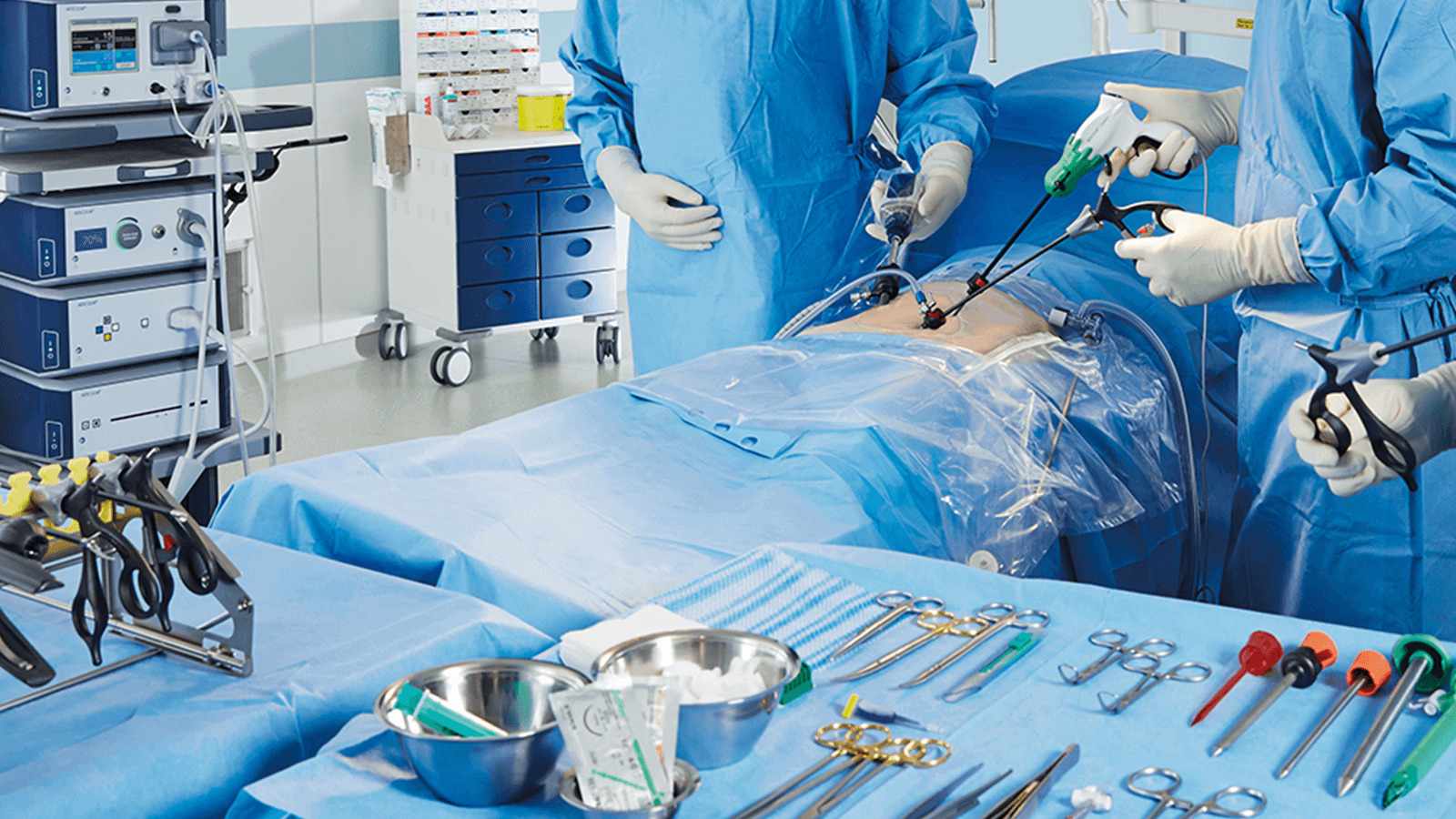
Gynecologists use pelvic examinations, ultrasound imaging, blood tests, Pap smears, and hormonal assessments to diagnose conditions. Treatments can involve medications, hormone therapy, minimally invasive procedures, or surgery when necessary.
Both specialists emphasize accurate diagnosis and personalized treatment plans, but their tools and techniques reflect their distinct medical focus.
Patient Demographics and Preventive Care
Orthopedic doctors treat patients of all ages, from children with congenital bone issues to elderly individuals with degenerative joint diseases. Preventive orthopedic care includes posture correction, injury prevention, and bone health management.
Gynecologists primarily care for women and focus strongly on preventive health. Regular check-ups, cancer screenings, prenatal care, and menopause management are central to gynecological practice. Preventive care helps detect issues early and supports long-term health.
Areas of Overlap and Collaboration
Although orthopedics and gynecology are separate specialties, there are areas where they may overlap. For example, pregnancy-related back pain or pelvic joint issues may require both gynecological assessment and orthopedic input. Similarly, postmenopausal women may face both hormonal changes and bone density loss, requiring coordinated care.
Healthcare centers such as Joint Replacement India often encourage multidisciplinary collaboration to provide comprehensive patient care when multiple systems are involved.
Choosing the Right Specialist
Choosing between an orthopedic doctor and a gynecologist depends on your symptoms and health concerns. If pain, injury, or movement limitation affects your bones or joints, an orthopedic doctor is the appropriate choice. If concerns relate to menstrual health, fertility, pregnancy, or hormonal changes, a gynecologist is the right specialist.
Timely consultation with the correct specialist can lead to faster diagnosis, more effective treatment, and better health outcomes.
Conclusion
Orthopedic doctors and gynecologists serve distinct but equally important roles in healthcare. Orthopedics focuses on the musculoskeletal system and mobility, while gynecology centers on women’s reproductive and hormonal health. Understanding their areas of medical focus empowers patients to seek the right care at the right time. With expert specialists and integrated healthcare services, patients can receive targeted treatment and long-term health support.




Write a comment ...