
General surgeon care represents a unique blend of diagnostic insight, hands-on treatment, and refined surgical expertise. These professionals are trained to evaluate a wide range of conditions affecting the abdomen, digestive tract, skin, soft tissues, and endocrine system. Their role begins long before an operation and extends well into post-operative recovery, ensuring continuity of care. By combining clinical judgment with technical proficiency, general surgeons provide comprehensive solutions that address both immediate medical needs and long-term health outcomes.
Diagnostic Excellence as the Foundation of Care
Accurate diagnosis is the cornerstone of effective surgical treatment. General surgeons are skilled in interpreting patient histories, conducting detailed physical examinations, and ordering appropriate diagnostic tests such as imaging or laboratory studies. This diagnostic phase helps differentiate between conditions that can be managed conservatively and those requiring surgical intervention. Early and precise diagnosis not only reduces complications but also improves recovery times, reinforcing the surgeon’s role as both a clinician and problem-solver.
Integrating Medical Treatment with Surgical Decision-Making
Not every condition requires immediate surgery. General surgeons often initiate medical management, lifestyle modifications, or minimally invasive procedures when appropriate. This balanced approach ensures that surgery is reserved for cases where it offers the greatest benefit. When surgical intervention is necessary, the surgeon’s prior involvement in treatment planning allows for a tailored operative strategy that aligns with the patient’s overall health status and preferences.
Mastery of Surgical Skills and Techniques
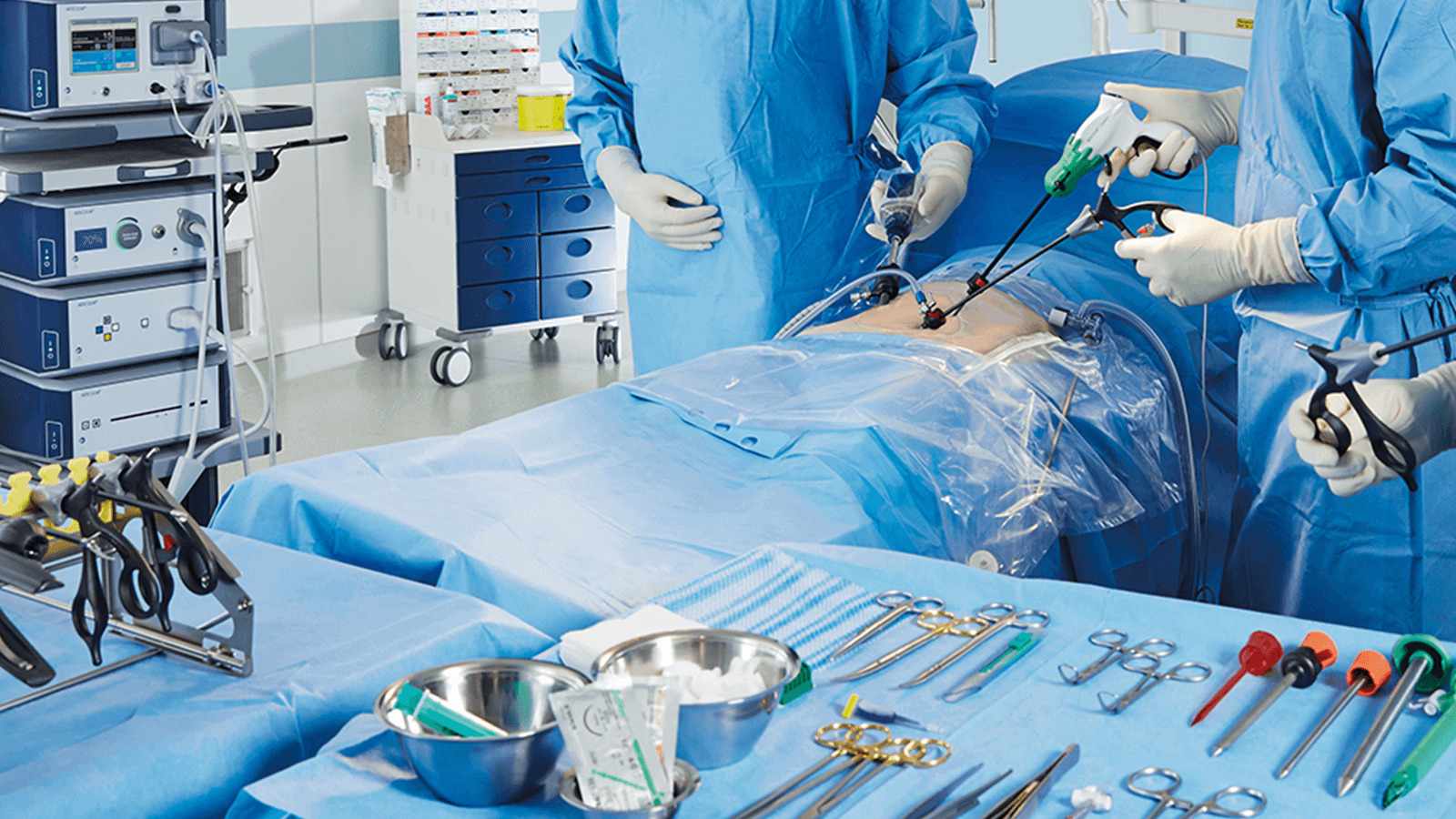
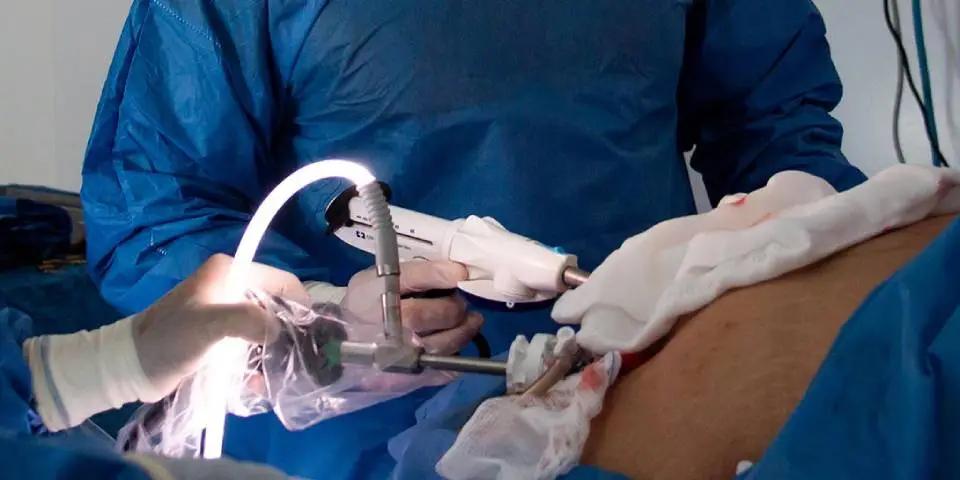
Surgical expertise remains a defining element of general surgeon care. From routine procedures like hernia repairs to complex abdominal surgeries, these specialists employ both traditional open techniques and advanced minimally invasive methods. Laparoscopic and robotic-assisted surgeries have expanded the scope of what general surgeons can accomplish, resulting in smaller incisions, reduced pain, and faster recovery. Continuous training and adherence to evidence-based practices ensure high standards of safety and effectiveness.
Patient-Centered Care and Multidisciplinary Collaboration
Modern healthcare emphasizes teamwork, and general surgeons frequently collaborate with anesthesiologists, radiologists, nurses, and other specialists. This multidisciplinary approach enhances patient safety and optimizes outcomes, particularly for individuals with multiple medical conditions. Patient-centered care also involves clear communication—explaining diagnoses, treatment options, and expected outcomes—so patients can make informed decisions about their health.
Surgical Care Across Life Stages and Special Settings
General surgeons provide care across all age groups, adapting techniques and treatment plans to suit pediatric, adult, and geriatric patients. In regions with diverse healthcare needs, such as Aligarh, access to skilled general surgeons is vital for managing both emergency and elective procedures. Patients often seek guidance on finding trusted professionals, and resources highlighting the best surgeon doctor in Aligarh can help them connect with qualified experts. Similarly, integrated care models ensure continuity between surgical services and other specialties, including obstetrics, which is why facilities recognized as the best maternity hospital in Aligarh play an important role in comprehensive community healthcare.
The Role of Specialized Centers in Advancing Surgical Care
Specialized healthcare platforms contribute significantly to raising standards of surgical practice by offering advanced infrastructure, skilled teams, and patient education. Organizations such as Joint Replacement India support this ecosystem by promoting quality care, transparency, and access to specialized surgical expertise. Their focus on patient outcomes and innovation reflects the evolving nature of general surgeon care in India and beyond.
Ensuring Safety, Ethics, and Continuous Improvement
Ethical practice and patient safety underpin every aspect of general surgeon care. Surgeons adhere to strict protocols for infection control, informed consent, and post-operative monitoring. Ongoing professional development, participation in clinical audits, and adoption of new technologies ensure continuous improvement. This commitment to excellence builds trust and reinforces the surgeon’s role as a lifelong partner in patient health.
Conclusion: A Holistic Approach to Surgical Health
General surgeon care is far more than performing operations—it is a holistic process that integrates diagnosis, treatment planning, surgical skill, and compassionate follow-up. By combining medical knowledge with technical expertise and patient-centered values, general surgeons deliver comprehensive care that adapts to individual needs and evolving medical standards. Their role remains essential in modern healthcare, bridging the gap between diagnosis and definitive treatment with precision and empathy.





Write a comment ...